

Trendsetting architecture / space architecture / maritim architecture
Caverna Lunaris
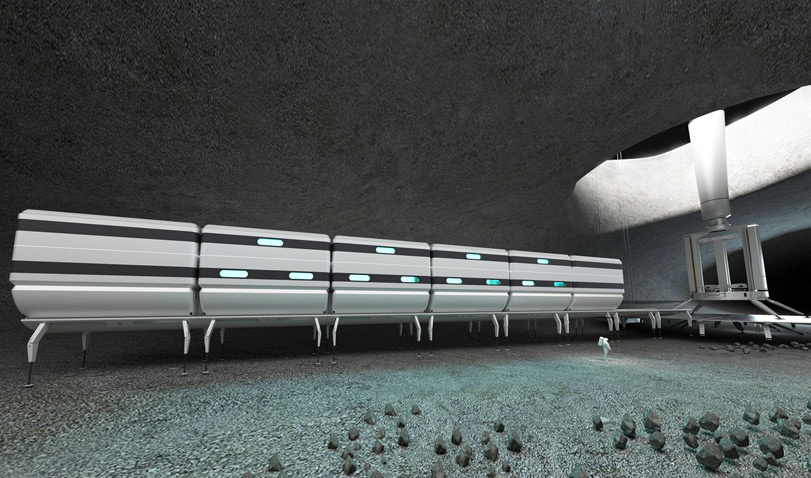
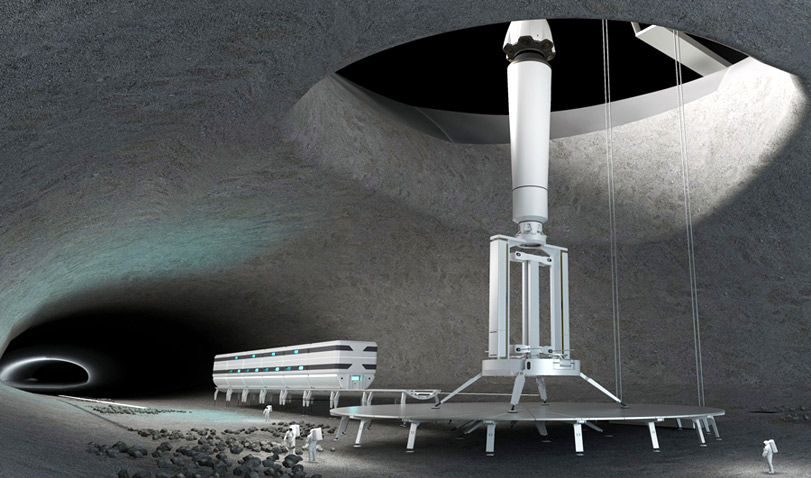
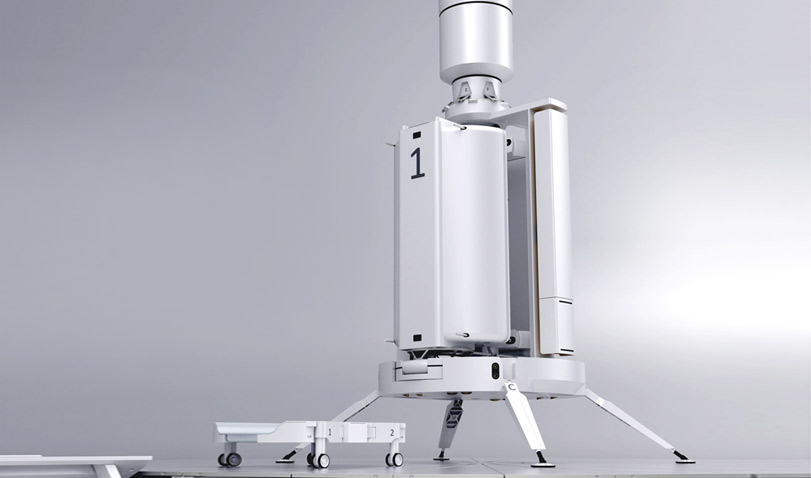
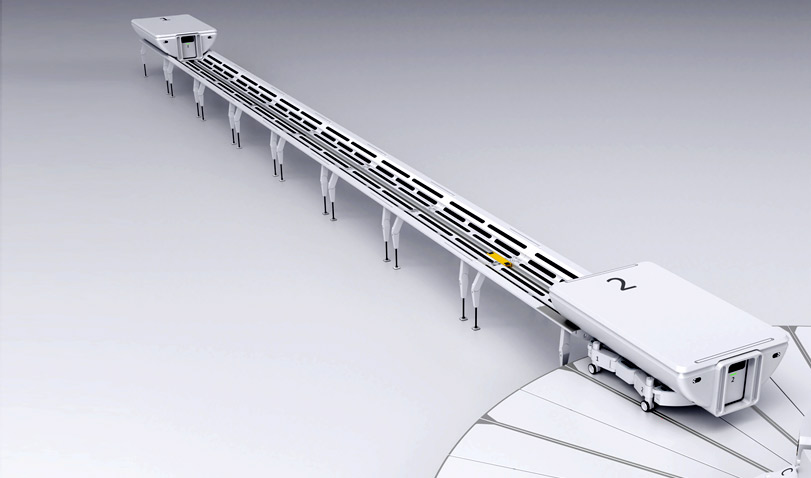
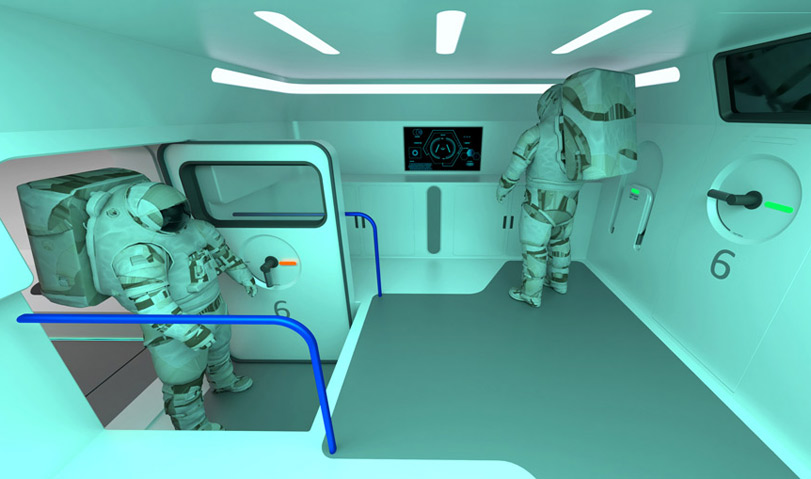

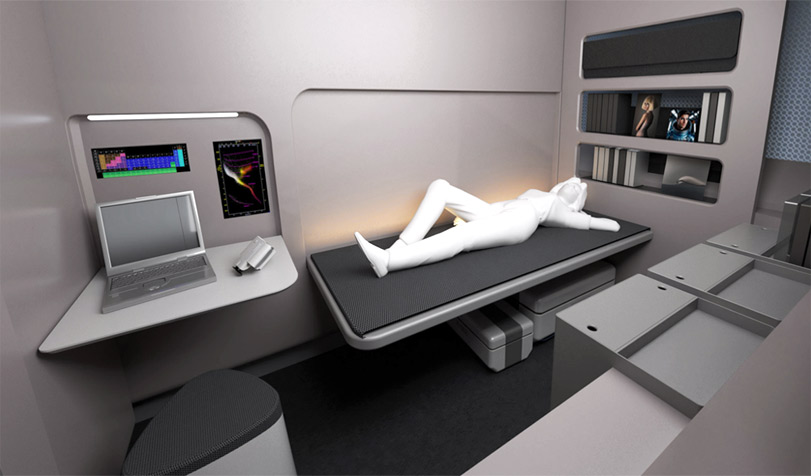
Concept for settlement in the moon`s cave systems.
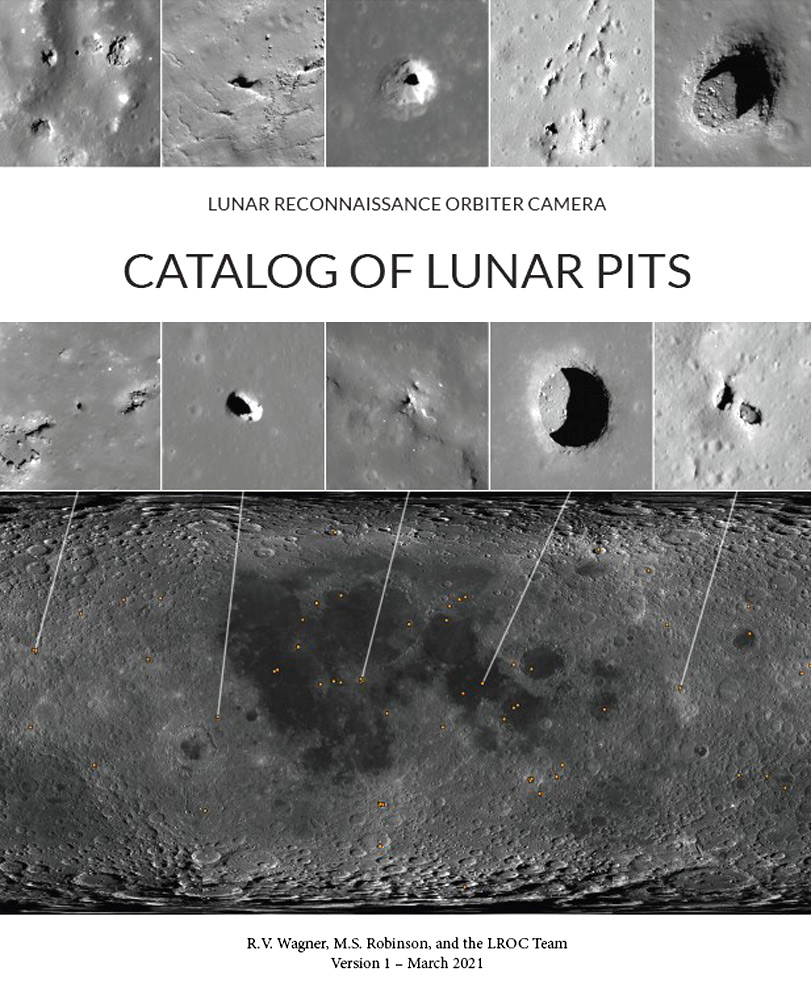
With goal of producing high-resolution maps of the lunar surface, NASA’s Lunar Reconnaissance Orbiter has been in a polar orbit around the moon since June 2009.
The Japanese Kaguya probe had already discovered three large holes in the Marius Hills in 2009. Shortly afterwards, the LRO’s high-resolution cameras were able to confirm these findings and discover hundreds more such openings.
In 2024, during a re-analysis of LRO radar data from 2010, it was confirmed that the Mare Tranquilitatis pit actually leads into an accessible cave, a lava tube.
In terms of establishing lunar bases, this discovery opens up revolutionary possibilities for future space exploration. This is because these lava tunnels offer maximum protection against both small and micrometeorites, as well as cosmic radiation. What is more, these pits maintain constant temperatures of around 17°C, which has a significant impact on the insulation of future habitats, in addition to radically reducing the thermal stress on the materials used in such habitats.
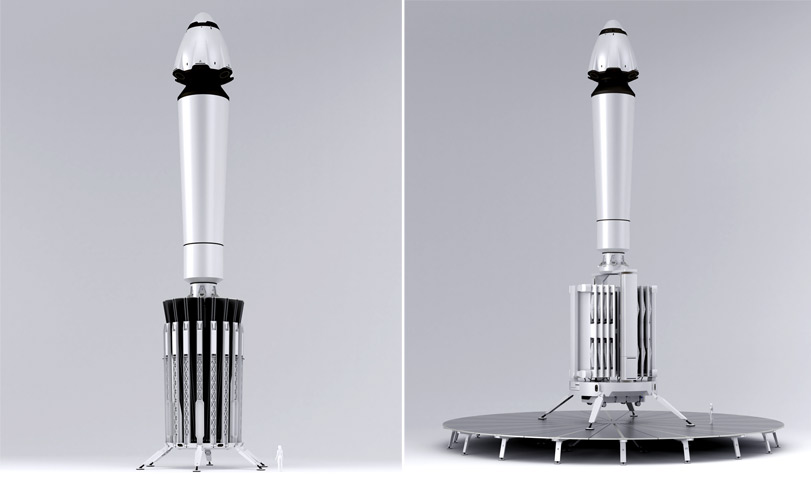
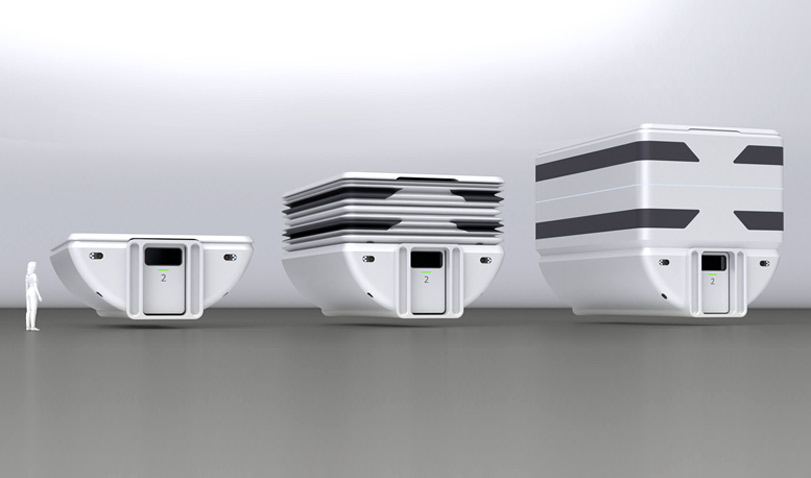
Caverna Lunaris is a concept that has been designed to utilise these lava tunnels and their physical advantages for the construction of a lunar base. The concept employs a system made up of mostly modular components, which will construct the lunar base in three fully-automated installation stages. The habitats consist of a combination of fixed structural elements and a pneumatic envelope structure. These pneumatic systems enable a significant increase in usable internal volume when compared to the transport volume, by a factor of 3. Thanks to variable, foldable and pre-installed elements, the standardised base structures can be adapted to the specific use of the habitat interior. This system enables the construction of interior spaces with a wide variety of uses.